

Helmet Washing Machine: Mist Treatment, EPS Care and Cycle Time
Compare helmet-care temperature limits, dry-mist sanitization, UV-C/ozone controls and cycle times when specifying a commercial helmet cleaning machine.
Choose the process before the cabinet
When we configure a commercial helmet cleaning machine at SelfServiceMachines, we start with the helmet-care limits and define the target operating sequence: dry-mist atomization, UV-C surface exposure, ozone odor treatment and temperature-limited PTC warm-air drying.
Dry-mist sanitization cabinets atomize a neutral cleaning or deodorizing solution into fine mist without submerging the helmet shell or saturating the EPS impact liner, whereas wet-spray chambers require drain management and longer drying cycles.
Before selecting a desktop or floor-standing cabinet, share your target helmet types (full-face, open-face, modular or rental fleet helmets), incoming sweat/moisture level and desired cycle turnaround so we can match the chamber program and factory acceptance test (FAT) protocol.
Explore helmet cleaning machines — Discuss your helmet-care process and site requirements with SelfServiceMachines.
Helmet dryer selection: start with helmet-care limits
SHOEI states that the EPS liner is vulnerable to solvent or heat.
We set our cabinet PTC warm-air drying limits below helmet manufacturers' maximum thermal thresholds so neither the EPS impact-absorbing liner nor polycarbonate shields are exposed to excessive heat.
Distinguish washing from mist treatment
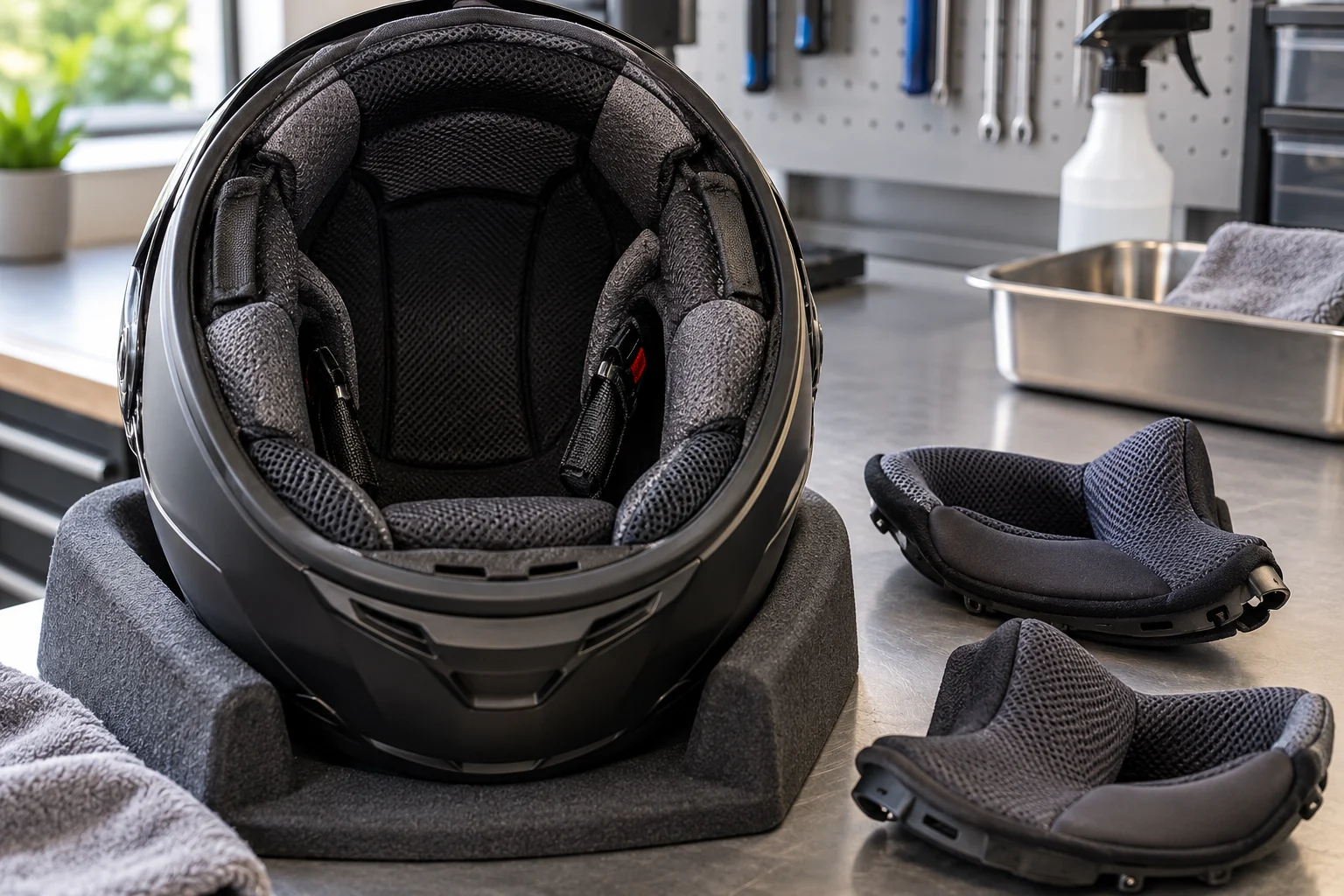
SHOEI allows washing removable interiors by hand or in a washing machine using a washing net.
SHOEI instructs wiping fixed interiors with neutral detergent mixed with water.
After washing the helmet body, Arai instructs natural drying with the helmet suspended upside down in a shaded, well-ventilated location.
Automated vending cabinets are built for dry-mist refreshing, odor reduction and sweat drying between rides rather than deep immersion laundering of heavily soiled removable cheek pads. Include incoming soil level, liner wetness and any mounted Bluetooth intercom electronics on your sample-test checklist.
Dry-mist sanitization: check the liquid and contact time
EPA has not evaluated a disinfectant product’s safety and efficacy for application methods not addressed on its label.
CDC instructs reading the disinfectant label to confirm use on the type of surface being disinfected.
The disinfected surface should stay wet throughout the contact time.
Verify the local chemical registration label and contact-time instructions for the mist solution you plan to load into the internal reservoir, and never mix different cleaning or disinfection chemicals in the dosing tank.
UV and ozone: door interlocks and exhaust checks
UV-C radiation is a known disinfectant for air, water and nonporous surfaces, and UV disinfection devices can supplement routine cleaning practices.
Inhaled ozone can damage the lungs, and lack of odor does not guarantee that ozone levels are safe; even high ozone levels may not affect contaminants embedded in porous material.
Our enclosed helmet cabinets use magnetic door switches and electromagnetic locks so UV-C lamps and ozone generators shut off immediately if the door is opened, and run an exhaust/decomposition phase before the door unlocks at the end of the cycle.
Cycle time: standard vs deep-dry programs
Commercial self-service helmet cleaning cabinets typically configure a Standard refresh cycle around 6–8 minutes and a Deep deodorizing and warm-air drying cycle around 10–12 minutes, depending on initial liner dampness and ambient humidity.
During factory acceptance testing (FAT), we verify the starting helmet moisture condition, mist atomization duration, UV/ozone stage timing, maximum chamber air temperature (<45°C) and interior dryness at handover.
Replenishment and routine care
Dry-mist helmet cleaning vending machines operate from a self-contained internal atomizing tank and standard AC wall power without external plumbing or floor drains.
Routine operator service covers refilling the atomizing liquid tank, wiping the stainless helmet support bracket and interior viewing window, and checking the air-intake filter screen on a weekly schedule.
Request a helmet cleaning machine quotation
Send SelfServiceMachines your target helmet types, site location (indoor mall, motorcycle dealership, riding club or delivery fleet hub), power standard, preferred payment interface (coin, bill, card/NFC or QR code) and unit quantity.
We will reply within 24 hours with a matched cabinet specification, cycle-stage configuration, consumable dosing details and factory acceptance checklist.
Sources
- SHOEI — Helmet Maintenance & Care Guidelines
- Arai — System Interior Maintenance & General Instructions
- SHOEI — J.O Helmet Owner's Manual
- US EPA — Fogging, Fumigation and Electrostatic Spraying Guidance
- CDC — When and How to Clean and Disinfect a Facility
- FDA — Ultraviolet (UV) Radiation Safety Notice
- US EPA — Disinfecting Surfaces with UV Light
- US EPA — Ozone Generators Sold as Air Cleaners